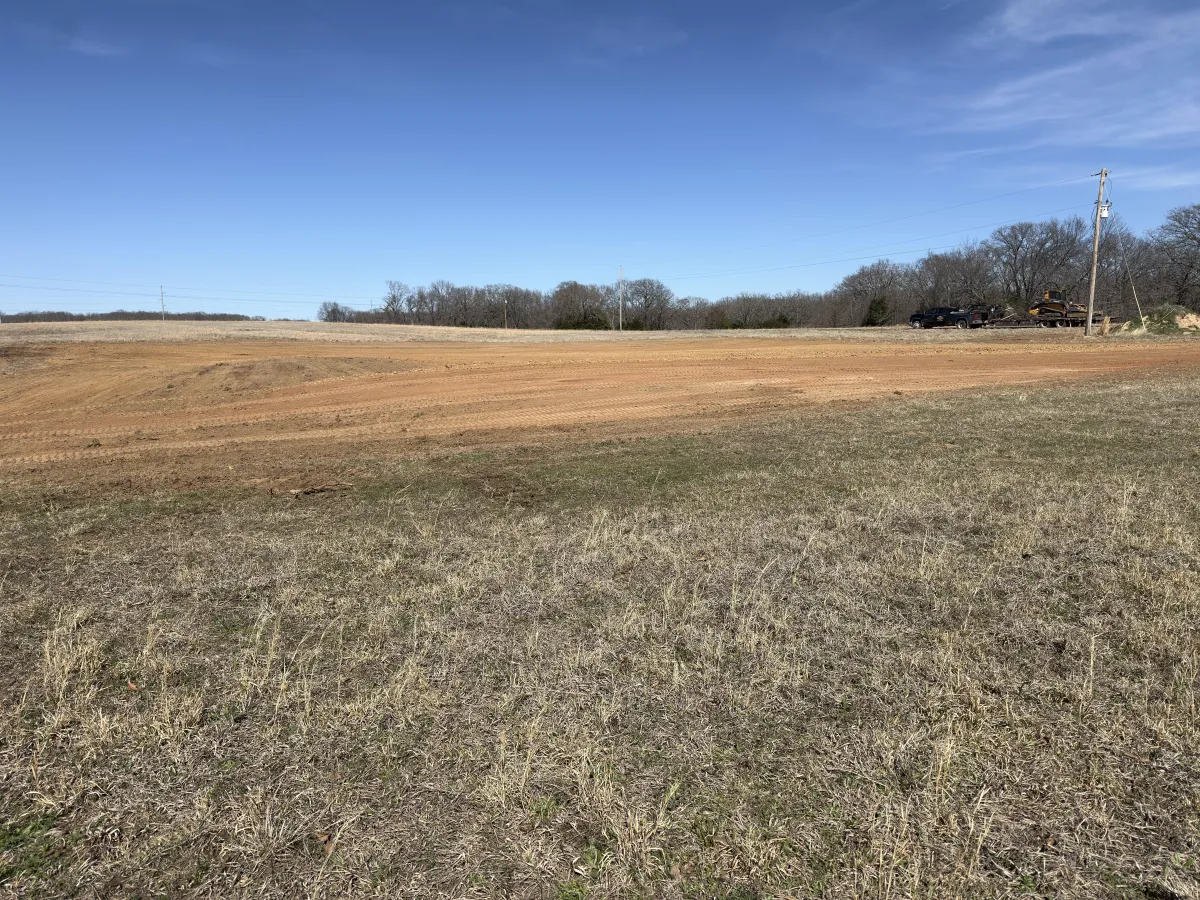
Residential Dirt Work Estimates: Key Insights
Home Projects, Dirt Work Estimates
Residential Dirt Work Estimates: What Homeowners Need to Know Before They Dig
Planning a new driveway, shop pad, addition, or backyard makeover often starts with one big question: how much will the dirt work cost? Understanding residential excavation, site preparation costs, and grading services helps you compare dirt work estimates confidently and avoid expensive surprises once equipment is on your property.
What Is Included in a Residential Dirt Work Estimate?
A dirt work estimate is more than a single number scribbled on a notepad. For most homeowners, it is the roadmap for how your yard or building site will be transformed from raw ground into a level, build‑ready space. A clear estimate for Dirt Work Estimates should outline the major phases of the job and how each affects price, including:
Residential excavation – digging, trenching, and removing soil for foundations, utilities, and drainage
Site preparation costs – clearing brush, stripping topsoil, hauling in or out dirt, and compacting the ground
Grading services – shaping the land to the proper slope for drainage, driveways, and building pads
A professional contractor will usually visit your property, take measurements, and discuss your goals before preparing the estimate. When comparing dirt work estimates, pay attention not only to the bottom line but also to what is included or excluded in writing. A low price that leaves out hauling, permits, or final grading may end up costing more in the long run.
Residential Excavation: The Foundation of Your Project
Residential excavation is the heavy lifting behind many home projects. Whether you are pouring a new foundation, installing a septic tank, or adding a retaining wall, excavation sets the stage. Because it involves large equipment, skilled operators, and safety considerations, it is typically one of the largest line items on a dirt work estimate.
Excavation costs are often based on a combination of equipment time and volume of material moved, measured in cubic yards. Factors that influence residential excavation pricing include:
Soil type: Soft, sandy soil is easier and faster to dig than hard clay, rock, or areas with tree roots and stumps.
Access to the site: Tight gates, steep driveways, or overhead power lines may limit equipment size and slow the job, increasing labor hours.
Depth and complexity: Deep foundation digs, utility trenches with precise slopes, or work near existing structures require extra care and time.
Rock and unexpected obstacles: Hitting rock, buried debris, or old concrete can slow progress and may add to the final invoice if not anticipated.
When reviewing residential excavation costs on your estimate, ask your contractor how they handle unknowns. Some include a contingency or note that rock removal is billed separately. Understanding these details up front helps you budget realistically and prevents frustration if conditions underground are different than expected.
Breaking Down Site Preparation Costs for Homeowners
Site preparation costs cover everything required to make your property ready for construction or landscaping. While excavation focuses on digging, site prep is about creating a stable, clean, and properly sloped surface. For many residential projects, this can include several smaller tasks that add up quickly if you are not aware of them.
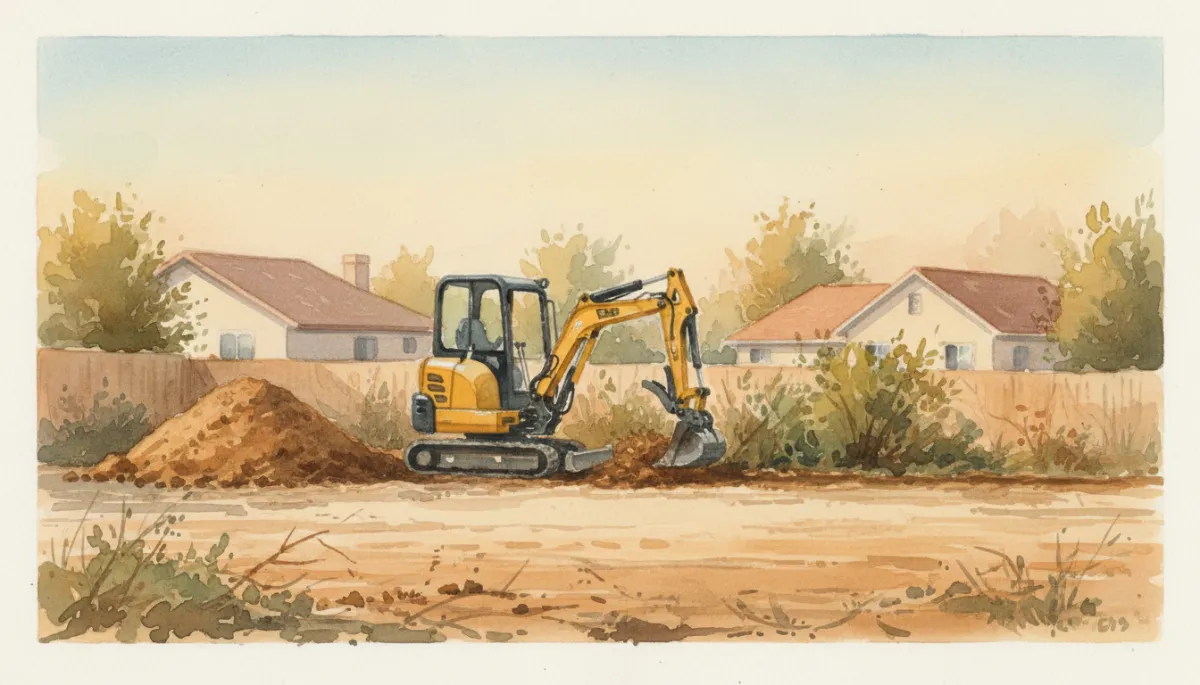
Thorough site preparation creates a stable, well-drained base for lasting residential projects.
Common components of site preparation costs include:
Clearing and grubbing: Removing trees, brush, old fences, and surface debris so equipment can work safely and efficiently.
Stripping topsoil: Taking off the soft top layer of soil, which is great for gardens but too unstable for foundations or driveways.
Importing or exporting fill: Hauling in extra dirt or gravel if your property is low, or hauling away excess material if cuts create more soil than you can use on site.
Compaction: Using rollers or compactors to densify the soil or gravel, reducing future settling under concrete, pavers, or structures.
Because fuel, trucking, and disposal fees can vary widely by location, site preparation costs are often where two dirt work estimates differ the most. One contractor may have a nearby dump site or gravel pit, while another must haul material farther. Ask your contractor how they charge for trucking and whether it is included in the estimate or billed by the load if quantities change.
💡 Pro Tip: If you have space, ask whether excess soil can be left on your property for future landscaping berms or garden beds. This can reduce haul‑off costs in your dirt work estimate.
Grading Services: Protecting Your Home with Proper Drainage
Grading services are often less dramatic than big excavation work, but they are just as important. Proper grading shapes the land so water flows away from your home, garage, and outdoor living spaces. Poor grading can lead to standing water, soggy lawns, cracked concrete, and even foundation issues over time, making this portion of your dirt work estimate a smart investment in long‑term protection.
When reviewing grading services on an estimate, look for notes on:
Finished slopes: Around homes, a gentle slope away from the foundation is typically recommended to keep water from pooling next to the structure.
Driveway and pad elevations: Grading should ensure driveways, parking areas, and shop pads shed water instead of collecting it in low spots.
Transition to neighboring properties: Your grading must work with existing slopes and not create runoff problems for adjacent yards.
Quality grading services may also include final smoothing for lawns, spreading topsoil, and preparing the surface for sod, seed, or landscaping rock. Ask whether these finishing touches are part of the price or offered as optional add‑ons. Clear expectations here prevent misunderstandings about what your yard will look like when the equipment leaves.
How Contractors Calculate Dirt Work Estimates
Every contractor has their own system, but most dirt work estimates are built from a few core pieces: labor, equipment, materials, and trucking. Understanding these building blocks helps you read between the lines and compare bids fairly instead of just chasing the lowest number.
Labor: Skilled equipment operators, laborers on the ground, and sometimes a project manager or foreman. Labor may be included in an hourly machine rate or listed separately.
Equipment: Excavators, skid steers, dozers, dump trucks, and compactors. Contractors may charge by the day, by the hour, or as a flat rate for the entire project based on expected usage.
Materials: Gravel, fill dirt, sand, and topsoil. Your dirt work estimate should list approximate quantities and prices per ton or per cubic yard, especially for imported materials.
Trucking and disposal: Hauling away unsuitable soil or debris and bringing in new material. These costs depend on distance, fuel prices, and dump fees in your area.
Some contractors provide lump‑sum pricing, while others break down each phase of residential excavation, site preparation, and grading services. If an estimate is vague, do not hesitate to ask for clarification. A reputable professional will be happy to explain how they arrived at the number and what might cause the final cost to move up or down.
📌 Key Takeaway: The most valuable dirt work estimate is not always the cheapest—it is the one that clearly explains what is included, how quantities were calculated, and how unexpected conditions will be handled.
Tips for Getting Accurate Dirt Work Estimates for Your Home
As a homeowner, you can play a big role in making sure your dirt work estimates are accurate and comparable. A little preparation before you call contractors can save time, reduce change orders, and give you more confidence in your budget.
Define your project clearly. Sketch your ideas, note dimensions, and decide where you want driveways, patios, or building pads. The more specific you are, the more precise your estimate for residential excavation and grading services will be.
Share any existing plans or surveys. If you have architectural drawings, a property survey, or drainage plans, provide them. These documents help contractors understand elevations and calculate site preparation costs more accurately.
Ask for written, itemized estimates. Request that major elements—clearing, excavation, hauling, materials, and grading—are listed separately. This makes it easier to compare bids and adjust the scope if needed to fit your budget.
Discuss drainage and long‑term performance. Do not focus only on the immediate appearance. Ask how the proposed grading will handle heavy rain and protect your home, driveway, and landscaping over time.
Clarify what “finished” looks like. Confirm whether the quote includes final raking, spreading topsoil, or rough vs. fine grading. This avoids disappointment if you are expecting a lawn‑ready surface and the contractor planned only a construction‑ready pad.
Bringing It All Together: Making Sense of Your Estimate
Residential dirt work is one of those investments you rarely see once the project is finished—but you will definitely notice if it is done poorly. Taking the time to understand dirt work estimates, ask smart questions about residential excavation, and review site preparation costs and grading services in detail can protect your home, your wallet, and your peace of mind.
When you receive multiple bids, look beyond the total price. Compare how each contractor plans to handle excavation depth, soil removal, imported materials, and final grading. Consider their communication, experience with residential projects similar to yours, and willingness to explain their process. A clear, thorough estimate is often a good sign of a contractor who will treat your property with the same care and professionalism from the first scoop of dirt to the final grade.
With a solid understanding of the key components—dirt work estimates, residential excavation, site preparation costs, and grading services—you will be better prepared to plan your project, set a realistic budget, and move forward with confidence, knowing your home is built on a strong and carefully prepared foundation.
